HOW WE WORK
Our plays are developed in collaboration with local communities.
Research is conducted while living in the community, and then used to develop a script that places people’s experiences within the wider context of the systemic forces they confront.
Editing
Performance
Research
Interviews
Rehearsals
PHASE 1: RESEARCH
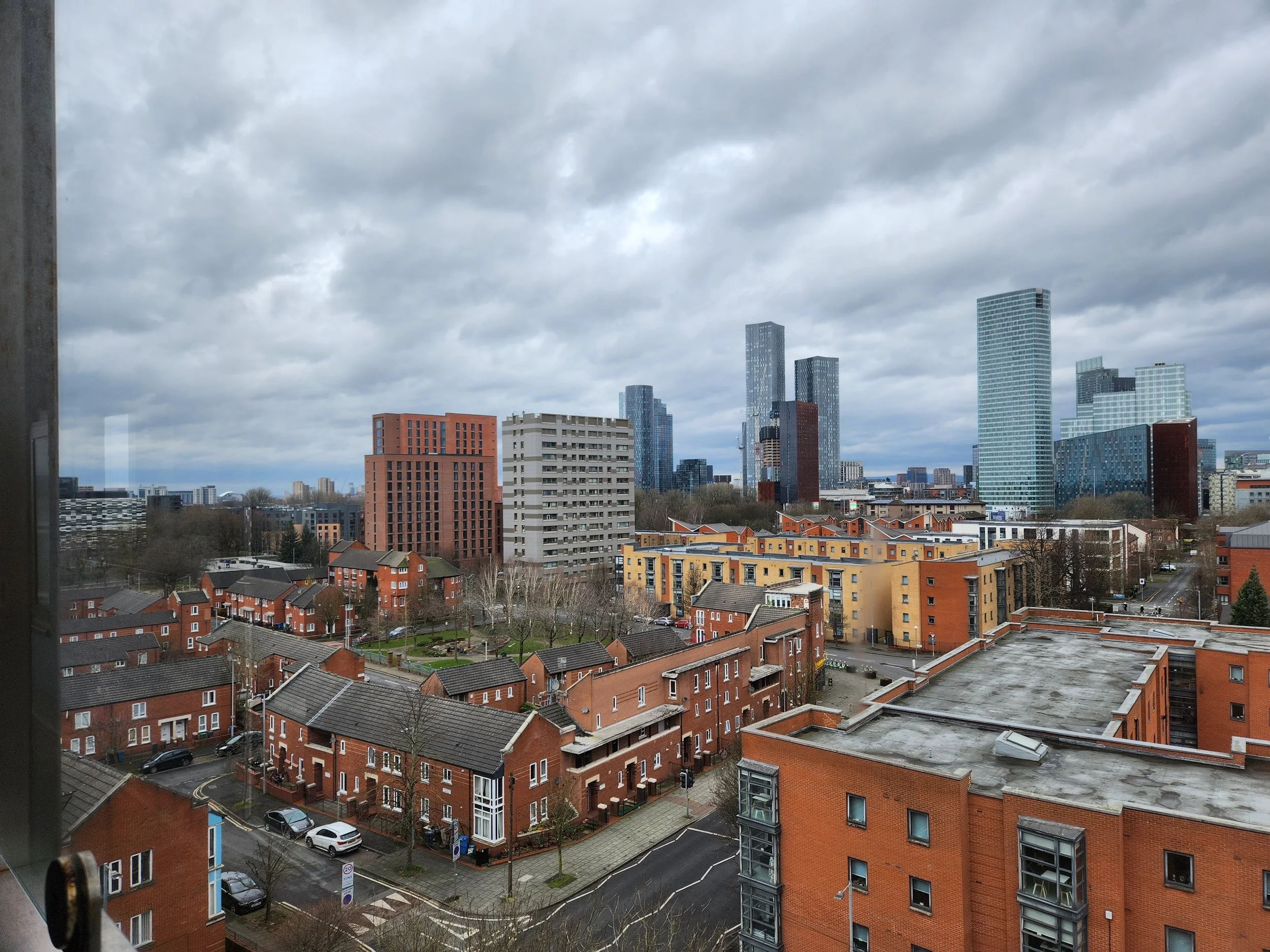
Documentary theatre begins with research. It’s an essential part of the development of the work that Nathaniel moves to the area, getting to know its community, and learning about the events in question.
Over the past few years Nathaniel has embedded himself in Hulme in Manchester for over a year and now is living in Rochdale writing the company’s third play.
PHASE 2: INTERVIEWS
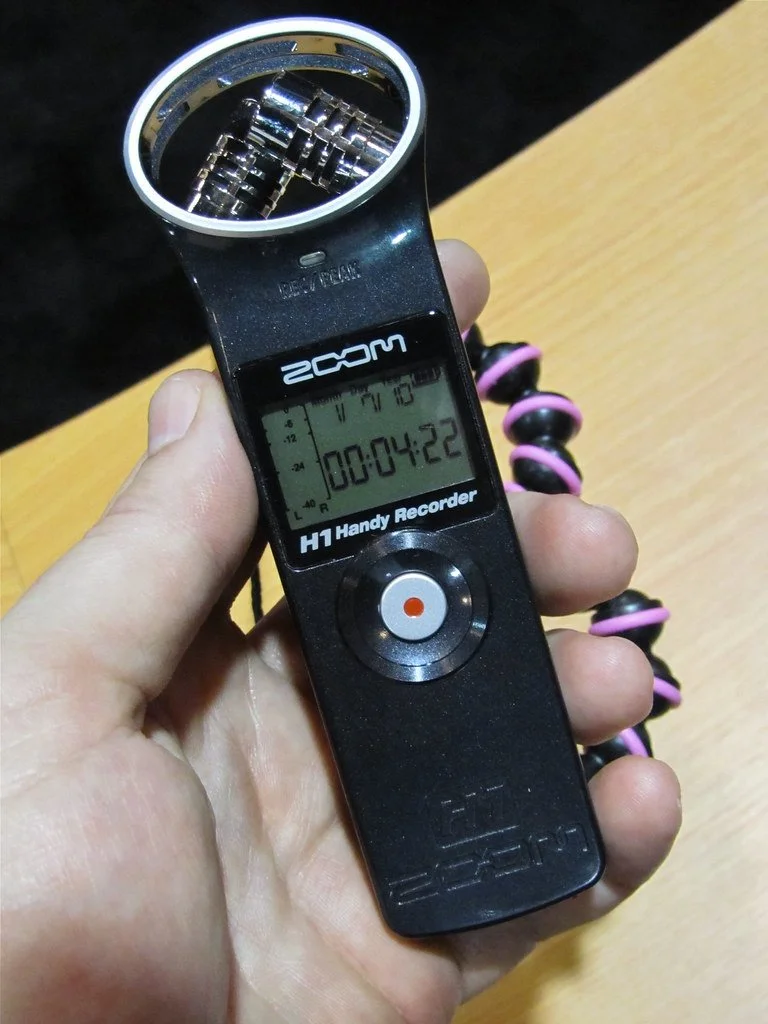
Our writer Nathaniel will conduct interviews with everyone involved in a story, on all sides of the story.
He then transcribes all the material - a one hour interview can take x hours to transcribe! There is now software that can transcribe interviews automatically but for Nathaniel, this transcription process is an essential part of getting familiar with the material he has to use.
Getting to know what’s in the interviews and documents he has collected allows Nathaniel to move onto the next phase - editing.
PHASE 3: EDITING
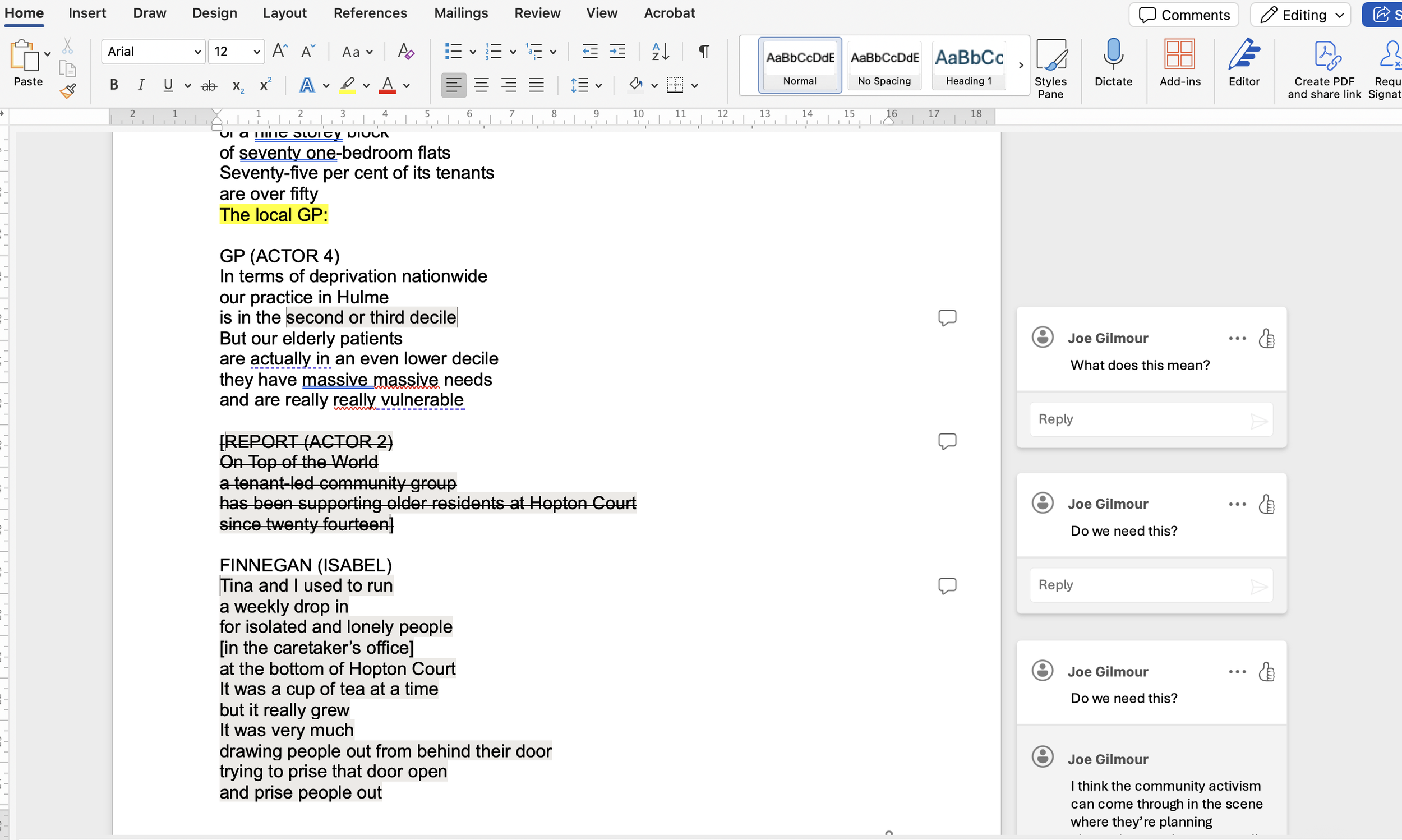
This is a very complex, mind-bending part of the process! Taking in everything he has learnt, Nathaniel figures out the best way to organise the material in order to tell the story in the clearest, most impactful way.
What scenes should we have?
Where should the story start?
What conceptual ideas do we need to bring in for audiences to understand the wider societal relevance of this particular story?
Special Measures’ form of documentary theatre also involves fitting these events into a wider context, and showing the connections between what happens at a local, national and international level. Events like the Grenfell Tower fire cannot be represented merely by indicting the individual bureaucrats and executives involved in it, culpable though many of them were. The social, legal and economic systems that created its conditions of possibility also need to be shown.
This process can take many months. Nathaniel will often work with a dramaturg to help shape the story.
PHASE 4: REHEARSALS
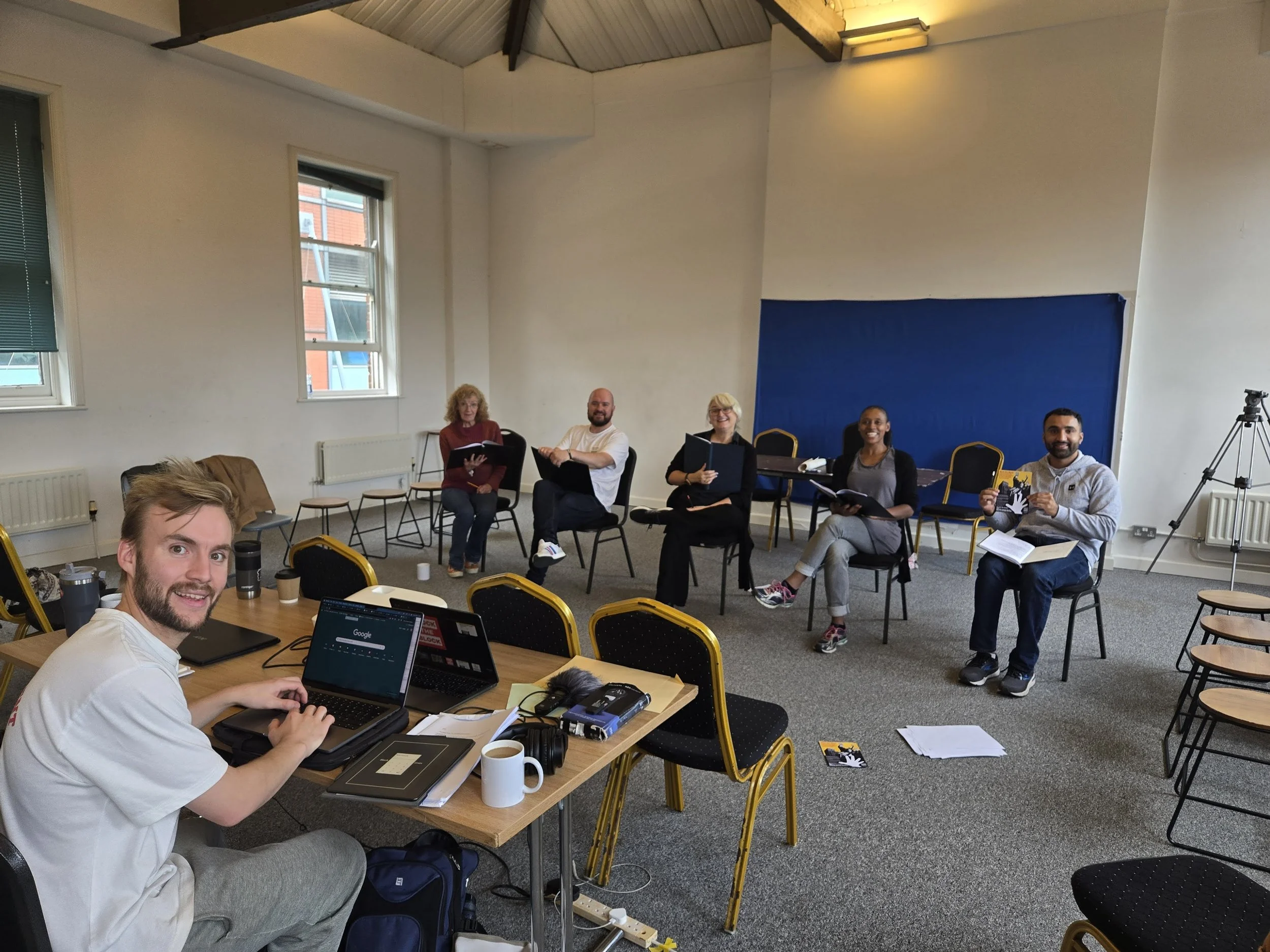
This is where we bring in Joe as director and a team of actors and other creatives - composers or set designers, for example.
Together we take the story from page to stage. How does this story meet an audience?
Nathaniel’s plays often involve over thirty characters - and we cannot afford that many actors! - so we will work out how the actors can effectively swap roles without the story getting confused.
Our plays are based on heavy topics - so rehearsals is also about how we bring the story alive in a way that entertains the audience as well as moves them.

PHASE 5: PERFORMANCES AND BEYOND
This is the most exciting part of the process - sharing our pieces with audiences. We share our work in theatre and community venues. Just like the campaigns that inspire us, we keep our theatre deliberately low-fi, able to pop in any community space that wants us.
We’re thrilled that audiences are often moved to find out more about a topic after seeing our plays. We have begun to tour our work with Q&As and pop-up exhibitions, to allow audiences to continue to engage with the story and its ideas beyond the performance.